

 See My Latest Article on HelloNation
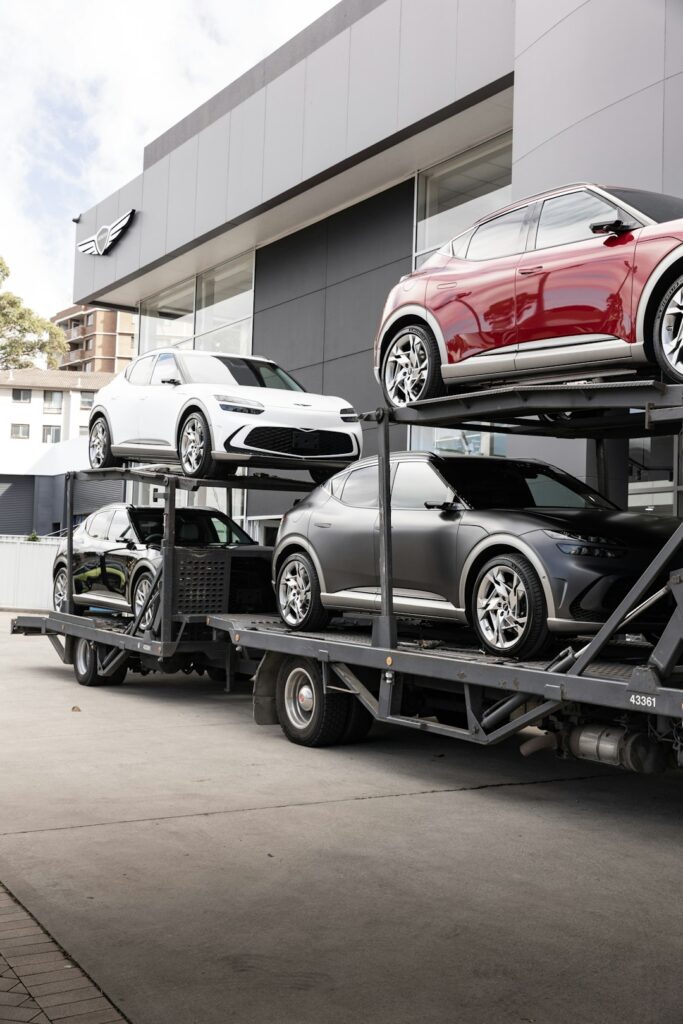
Can a Car Be Shipped With Personal Items Inside?
Yes, it is often technically possible to ship a car with some personal belongings inside, but doing so comes with a mix of risks and restrictions that Norwood, NJ residents should understand before making a decision. Local customs, regional regulations, and the nature of vehicle transport all impact what is allowed and what is wise.
Why Do Some Residents Consider Leaving Items in the Car?
Busy moves, tight schedules, or limited moving truck space often lead area households to consider placing boxes, clothes, or small household items inside their car before transport. This practice can seem convenient, especially for those relocating from one part of the city to another, or moving out of multi-family housing with limited loading zones. However, practical logistics and strict transportation guidelines are involved.
Are There Safety or Legal Issues?
There are clear legal and safety boundaries around shipping personal items in a car. Most car carriers are licensed to transport vehicles, not household goods. Including items not specifically permitted by the carrier can violate these licenses or even federal regulations. If a transport vehicle is stopped at a checkpoint or inspected, the discovery of personal belongings may result in fines or transport delays.
Local transport through or into Norwood may not involve border crossings but can still be subject to periodic state and federal inspections, especially when vehicles are being shipped long distances.
What Risks Should Local Residents Understand?
Allowing personal items in a shipped vehicle opens up several key risks:
- Theft or Loss: Carriers are generally not responsible for any personal items left in the car. If valuables are stolen or go missing, there is usually no recourse.
- Damage: Unsecured items can shift during transit, causing interior damage such as scratching seats, breaking windows, or damaging electronics.
- Insurance Coverage Gaps: Most standard vehicle shipping insurance only covers the car, not its contents. Any loss involving personal property is typically excluded.
- Additional Fees or Delays: Packing the car heavily can increase the vehicle’s weight, leading to unexpected surcharges, or refusal to transport.
Norwood’s residential neighborhoods, which often feature limited driveway and curbside space, can make it tempting to use the car as a temporary extra storage space. While carriers may allow a few lightweight, non-valuable personal items in the trunk or backseat, exceeding these allowances introduces added risk at every stage of the shipping process.
Are There Any Practical Guidelines for What Can Be Left in the Vehicle?
While carriers’ policies vary, some general best practices hold true for residents trying to stay on the safe side:
- Limit contents to soft, lightweight, non-valuable items (such as clothing, bedding, or children’s toys)
- Secure all items in the trunk or below window level to avoid visibility and temptation for theft
- Never include items like electronics, jewelry, medications, important documents, flammable materials, or liquids
- Keep the vehicle’s total weight close to factory specifications to avoid fees or transport refusals
- Take thorough photos of the interior and any included items for your own records before shipping
These precautions help prevent misunderstandings if something is lost or damaged and may streamline the process if the vehicle is subject to inspection.
What Do Carriers Usually Allow or Prohibit?
Most carriers are strict about what can be transported inside vehicles due to insurance, licensing, and legal liability reasons. Here’s what local residents are most likely to encounter:
- Up to 100 pounds of non-hazardous, non-valuable personal items (usually packed in the trunk)
- Absolute prohibition on hazardous materials, weapons, perishable food, alcohol, or items that emit odors
- Refusal to transport if the vehicle appears overloaded or if large objects obstruct the driver’s seat or mirrors

Carriers operating within norwood or through neighboring regions are especially cautious during winter, when snow and road conditions can make over-weight vehicles more dangerous to load and unload.
What Are Some Overlooked Factors Unique to the Area?
Local climate and living dynamics in Norwood bring added considerations:
- During winter, any moisture or snow on personal items left in a car can lead to mildew, staining, or related damage during transit.
- Homes with shared driveways or parking lots can make vehicle loading hurried, increasing the risk items are left unsecured inside the vehicle.
- Seasonal moves (late spring and early summer) are peak times for both household moves and auto shipping demand, so stricter attention to regulations is common.
How Can Residents Minimize Risk if They Do Ship Items Inside?
The lowest-risk approach is to avoid shipping anything beyond a few soft, non-essential items tucked away securely inside the trunk. If residents decide to transport belongings inside their car, here are thoughtful precautions:
- Use suitcases or soft bags to contain any loose goods
- Double-check all items for batteries, liquids, or breakables
- Remove any identifying paperwork or sensitive documentation
- If possible, speak directly with the carrier prior to pick-up about their specific policies
By weighing the minor convenience against the significant risk, local households can make a decision that aligns with their individual comfort and circumstances.