

 See My Latest Article on HelloNation
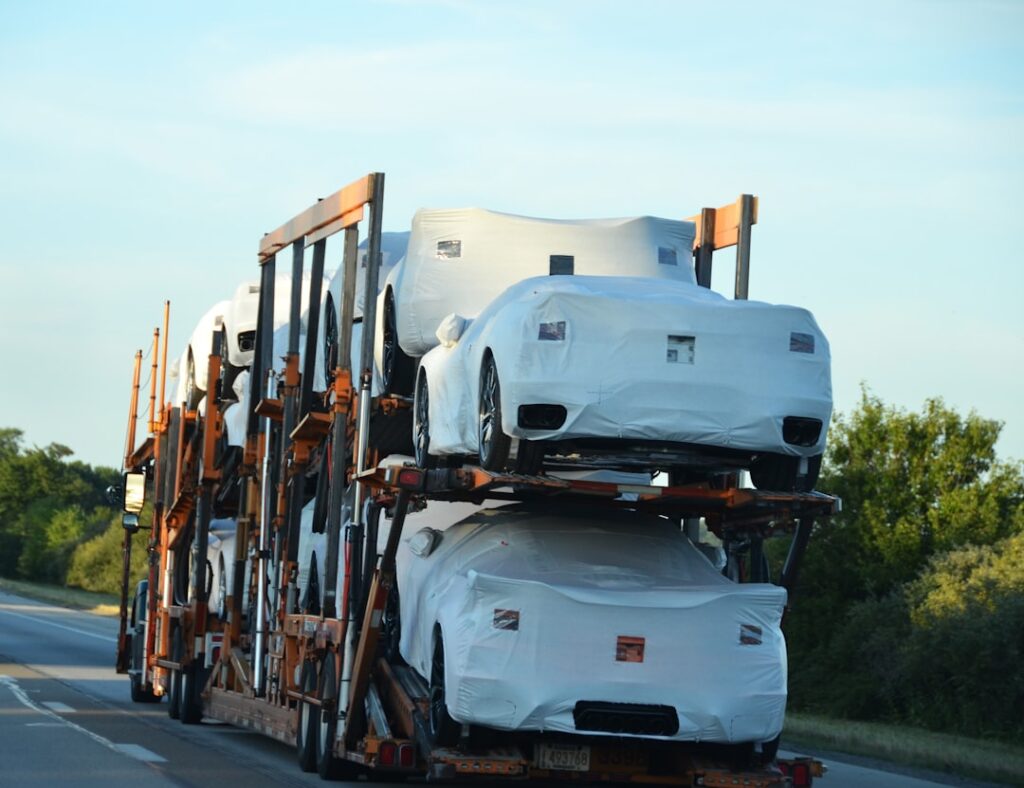
What Are the Main Concerns When Shipping a Classic Car?
Shipping a classic car involves considerations beyond standard vehicle transport. Owners are often concerned about preventing damage, maintaining value, and complying with both local and federal transport regulations.
Classic vehicles in Norwood can be especially vulnerable to the area’s variable climate, especially during spring rain or winter snow. Exposure to dampness or road salt may affect older finishes and undercarriages. Transporting a classic car safely often requires extra planning compared to modern vehicles, largely because of their unique parts and original paint.
Should You Choose Open or Enclosed Transport?
Enclosed transport is generally preferred for classic cars, as it protects them from weather, road debris, and prying eyes. However, understanding the differences is important:
- Enclosed Trailers: Shield vehicles from the elements, reducing the risk of scratches, moisture exposure, and accidental dings. This is particularly useful in communities like Norwood, where storms and snow can be unpredictable.
- Open Carriers: Less expensive but expose vehicles to weather and potential road debris. This option is rarely recommended for classic or high-value vehicles.
For local residents, enclosed options offer peace of mind, especially if the vehicle will be sitting at any staging facility during the winter.
What Preparation Steps Should Classic Car Owners Take Before Shipping?
Preparing a classic vehicle for transport reduces the risk of damage and ensures the car arrives in the same condition it left.
- Documentation: Photograph all sides of the vehicle and document existing scratches, chips, or marks. Date-stamped photos are best.
- Mechanical Check: Make sure brakes and tires are functional; classic vehicles with mechanical issues should be clearly discussed with the carrier.
- Personal Belongings: Remove loose items from the interior and trunk. Items sloshing around can damage original upholstery.
- Fluids: Keep fuel levels low (around a quarter tank) and check for leaks, as these can be hazardous during transport.
- Alarms: Disable alarms or provide instructions for disarming, avoiding complications at pickup or delivery.
How Does Norwood’s Climate Impact Shipping a Classic Car?
Moisture, temperature shifts, and winter road salt are ongoing concerns in the area. Transporting during early spring or before winter can help reduce exposure to harsh conditions.
Because classic vehicles may have less effective weather seals than newer cars, it’s particularly beneficial to:
- Schedule shipments when the forecast calls for dry conditions.
- Confirm that drop-off and pickup locations are sheltered if possible, or arrange for immediate transfer to a garage.
- Apply a coat of wax before shipping to add a temporary layer of protection against moisture and grit.
What Paperwork and Insurance Do Norwood Owners Typically Need?
A classic car’s value requires clear, well-organized documentation. Residents should ensure:
- Vehicle registration, insurance, and any required titles are up to date.
- The vehicle’s insurance policy covers it during transport. Review whether your policy or a transport carrier’s policy provides necessary protection for vintage vehicles.
- Inspection reports are completed at pick-up and delivery, with all damages and changes in condition thoroughly recorded.
For high-value or rare vehicles, requesting a written insurance binder before shipment offers an added layer of security.
What Are Common Misconceptions About Shipping Classic Cars?
It’s a common myth that all car transport is essentially the same. In reality, classic cars need special handling.

Other misconceptions:
- All carriers have classic car experience—some may not be familiar with older braking systems or low ground clearance.
- Insurance automatically covers any and all damage—it’s essential to review exclusions and limits, especially for restoration value.
- Vehicles inside trailers are untouchable—accidents or shifting can still occur; proper securing and loading is crucial.
- The process is quick—shipping may take longer due to route planning, loading care, and weather interruptions.
Are There Local Logistic Factors Norwood Residents Should Know About?
The city’s residential density, narrow driveways, and winter conditions affect pickup and drop-off. Key points include:
- Not all streets accommodate large transport trucks; you may need to meet the carrier at a wider lot or parking area.
- Inform neighbors if a truck will be loading on the street, to avoid parking conflicts or traffic issues.
- Ensure the car is accessible—clear snow or debris and avoid low-hanging branches that could scrape against a vehicle during loading.
Area households with detached garages or long driveways should coordinate alternative pickup locations if access is limited.
What Should Residents Watch For When Selecting Shipping Dates?
The busiest and most reliable windows for classic vehicle shipping in the city are late spring and early fall. These shoulder seasons offer moderate weather, reducing risks from salt, ice, and high humidity.
Specific local considerations:
- Avoid shipping during peak snow or heavy rain, as these conditions increase chances of delays and exposure to moisture.
- Plan well ahead around holidays or major events that may disrupt local traffic.
- Stay flexible—unexpected weather changes may require rescheduling to best protect your vehicle.