

 See My Latest Article on HelloNation
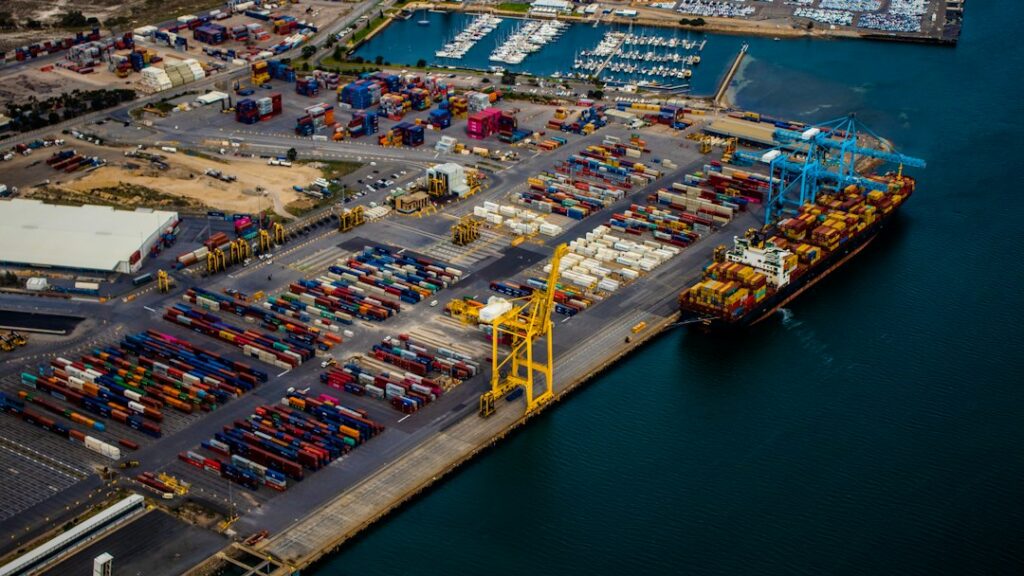
Terminal-to-terminal car shipping allows a vehicle to be dropped off at a designated storage or transport facility and picked up at another facility near the destination. It can be less expensive than door-to-door transport, but it also requires more planning because the vehicle may need to travel separately to and from each terminal.
For residents of Norwood, NJ, this option can be useful when driveway access is limited, curbside loading is difficult, or a flexible delivery schedule matters more than having the vehicle brought directly to a home.
What does terminal-to-terminal car shipping mean?
Terminal-to-terminal shipping involves three basic steps:
- The vehicle owner delivers the car to a designated origin terminal.
- The vehicle is loaded onto a carrier with other vehicles.
- The recipient collects the car from a destination terminal after transport is complete.
The terminals may be vehicle storage yards, transportation facilities, or secured lots used by a shipping company or its logistics partners. They are not necessarily located in residential neighborhoods, and they may be several miles from the actual pickup or delivery address.
This arrangement differs from door-to-door shipping, where the carrier attempts to collect and deliver the vehicle as close as legally and physically possible to the requested addresses.
Why might someone choose terminal-to-terminal service?
The main appeal is flexibility and, in some cases, lower transportation cost. A terminal can be easier for a large carrier to access than a residential street with parked cars, narrow lanes, low branches, or limited turning space.
Terminal service may also fit households that:
- Will be away during the delivery window
- Do not have a safe place for a carrier to stop
- Need to move a vehicle from a location with restricted access
- Prefer to avoid coordinating a specific residential pickup
- Are willing to arrange local transportation to and from the terminals
For some area households, terminal shipping is especially practical during winter weather or periods of heavy rain, when narrow streets, steep driveways, or unplowed surfaces can complicate carrier access.
A lower quoted transport price does not always mean a lower total cost. Fuel, rideshare fares, parking, storage fees, and missed-work time may add to the expense.
How does the process work from beginning to end?
The process usually begins with confirming that both the origin and destination terminals accept the type of vehicle being shipped. Some facilities have limits involving vehicle size, operating condition, storage duration, or pickup hours.
Before drop-off, the owner typically provides vehicle information such as:
- Make, model, year, and body style
- Approximate operating condition
- Pickup and destination preferences
- Whether the vehicle is running, rolling, and braking
- Information about modifications or oversized equipment
At the origin terminal, the vehicle is inspected and its existing condition is documented. The inspection may include photographs of dents, scratches, chips, wheel damage, and other visible conditions. The vehicle is then prepared for loading.
At the destination, the recipient usually needs identification and shipping documents. Another inspection should take place before the vehicle leaves the terminal. Any new damage or missing items should be recorded immediately on the delivery paperwork.
What should be removed from the vehicle?
Personal belongings should generally be removed before terminal drop-off. Items left inside a vehicle can shift during transport, become damaged, or be treated as excluded property under the shipping agreement.
Remove or secure:
- Loose electronics and chargers
- Important documents
- Medication
- Tools and valuables
- Garage door openers
- Toll devices and parking passes
- Custom accessories that could detach
- Child safety equipment unless specifically permitted
The vehicle should usually contain only the equipment required for normal operation, such as a spare tire, jack, and emergency items. Any allowed contents should be documented in writing, including weight limits or restrictions.
Do not assume that a trunk full of household goods is acceptable simply because the trunk closes. Extra weight can affect loading, transport safety, and liability for loss or damage.
What condition must the vehicle be in?
A running vehicle is generally easier to move, load, and release. If the vehicle does not start, has a dead battery, has flat tires, or cannot steer or brake, the terminal and carrier need to know in advance.
Non-running vehicles may require special equipment, additional handling, or a different terminal procedure. The receiving facility may also charge handling or storage fees if staff must move the vehicle.
Before drop-off, check:
- Tire pressure
- Battery charge
- Fluid leaks
- Fuel level
- Alarm settings
- Loose body panels
- Retractable antennas
- Roof-mounted equipment

A small amount of fuel is normally more practical than a full tank, but the exact requirement should be confirmed before delivery. The vehicle should be clean enough to make existing exterior damage visible during inspection.
How are pickup and delivery dates handled?
Terminal shipping involves estimated dates rather than guaranteed arrival times in many cases. Weather, traffic, carrier availability, mechanical problems, loading delays, and terminal operating hours can all affect timing.
The vehicle may arrive at a destination terminal before the recipient is ready to collect it. That can create daily storage charges, especially if the terminal has limited space or a short free-storage period.
Ask for clear information about:
- The earliest date the vehicle may be accepted
- The estimated transport window
- How arrival notices are provided
- How long the vehicle can remain at the destination
- Storage charges after free time expires
- Weekend and holiday operating hours
- Requirements for authorizing another person to collect the vehicle
A recipient who cannot reach the terminal promptly may need to arrange a trusted pickup representative. Written authorization and identification requirements should be clarified in advance.
What should be documented before the vehicle leaves?
Photographs are one of the most useful safeguards. Take clear images of all sides of the vehicle, including the roof, wheels, windshield, bumpers, lights, and interior. Photograph the odometer and fuel level as well.
The inspection report should describe existing conditions precisely. “Scratch on left rear door” is more useful than “minor damage.” Include close-up photographs and wider images showing where each mark is located.
At delivery, compare the vehicle with the original inspection record before signing. Look for:
- New scratches, dents, or paint transfer
- Broken glass or lights
- Wheel or tire damage
- Missing accessories
- Changes in mileage
- Interior damage
- Warning lights or mechanical symptoms
If a problem is discovered, record it on the delivery documents and retain copies of all paperwork and photographs. Reporting procedures and deadlines are controlled by the shipping agreement, so the documents should be reviewed before the shipment begins.
Are there special considerations for Norwood residents?
Local street conditions and seasonal weather can influence whether terminal shipping is convenient. Residential areas may have narrow roads, limited legal stopping space, snow or ice during winter, and parking patterns that make carrier access difficult.
Before choosing terminal transport, consider the practical distance between the home and each terminal. A facility that appears close on a map may still require a complicated trip if the vehicle is disabled, the driver is unavailable, or public transportation is limited.
It is also wise to plan for weather-related delays. Summer traffic, winter storms, spring flooding, and heavy holiday travel can affect both the trip to the terminal and the carrier’s schedule. A vehicle should not be dropped off until the terminal confirms that it can accept it.
Terminal-to-terminal shipping works best when the owner treats the two terminal trips as part of the overall move. Comparing the total cost, operating hours, storage rules, vehicle condition, and transportation needs often provides a more accurate picture than comparing the shipping price alone.