

 See My Latest Article on HelloNation
What Surprises Norwood, NJ Residents Most About Vehicle Shipping?
Most residents in Norwood, NJ are surprised by the number of details they need to organize before their car is loaded onto a truck. Shipping a vehicle isn’t as simple as scheduling a pick-up and handing over keys. Many overlook required documentation, vehicle preparation, local road access issues, and timing concerns. These oversights can lead to extra fees, delays, or anxiety—particularly during seasonal weather changes or when navigating the city’s quiet residential streets.
Do Local Roads Affect Pick-up and Drop-off?
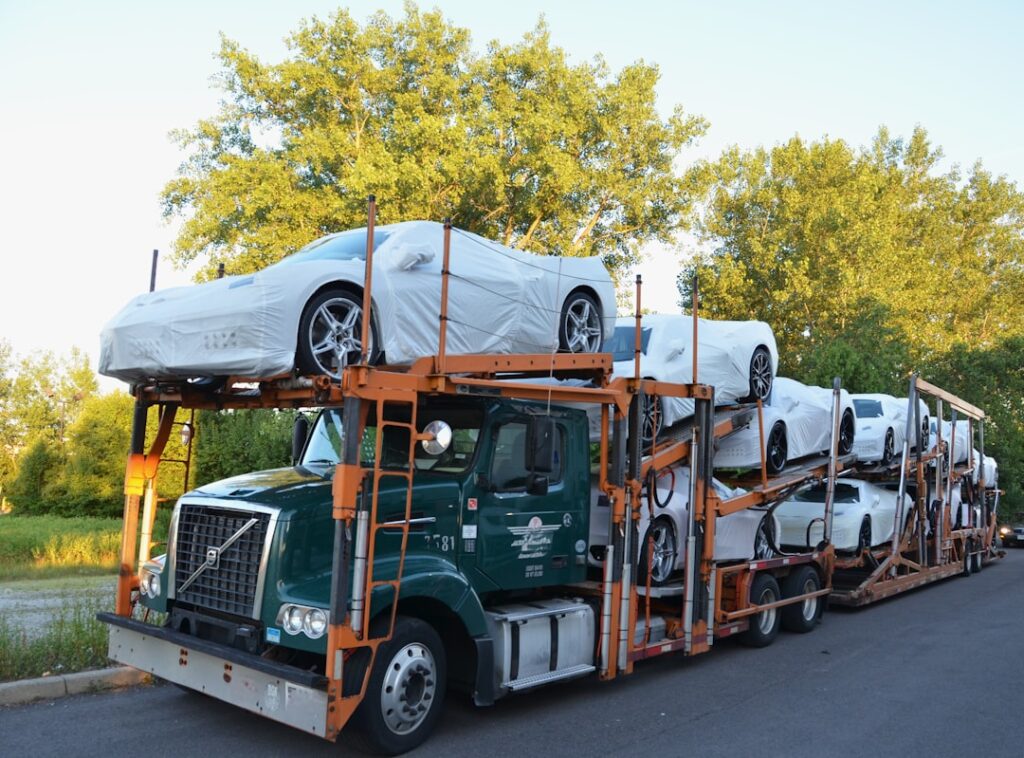
Yes, narrow lanes and driveway access in Norwood can impact where a carrier can safely load or unload your car. Large auto transport trucks may not fit on residential streets, especially in neighborhoods with tighter turns, mature trees, or dense on-street parking.
- Residents commonly assume their driveway or street is always accessible. However, carriers often need more space than a single-family home’s curb provides.
- In these cases, drivers may suggest meeting at a wider road, a local public lot, or another nearby open area, which may catch some vehicle owners off-guard.
Being flexible and confirming access before the scheduled transport can prevent last-minute changes and confusion.
What Paperwork Mistakes Cause Delays?
Many local vehicle owners misplace or forget necessary paperwork, which can delay pick-up or delivery.
- Most carriers require proof of ownership or authorization for transport, along with a valid photo ID.
- Lienholders may have specific requirements if the car is financed.
- Incomplete or missing documents can mean a wasted trip for the transport driver.
Gather all documents beforehand and review the list provided by your carrier, especially if your vehicle’s registration or insurance has expired or is mismatched.
Should You Clean Out the Vehicle?
Leaving personal items in your car is a common mistake. Personal belongings are typically not covered by carrier insurance and can shift during transport, potentially causing damage to both the items and the car’s interior.
- Remove electronics, loose change, garage door openers, and important paperwork.
- Only emergency tools (like a spare tire or jack) should remain safely secured in the trunk.
- The exception: A small amount of items may be allowed (depending on the carrier), but always confirm in advance and keep the car as empty as possible.
Is It Risky to Leave Less Than a Quarter Tank of Fuel?
Local residents sometimes fill the tank before shipping, thinking it’s considerate. In reality, a full tank adds unnecessary weight and can violate transport safety policies.
- Aim for about a quarter tank of gas—enough to drive the car on and off the truck, but not enough to significantly increase weight or risk leakage.
What Should You Know About Vehicle Condition and Damage Reports?
Not thoroughly documenting your car’s condition before shipping is one of the most costly oversights, especially in regions like Norwood where weather can be unpredictable. Rain, melting snow, or pollen can obscure dents and dings on inspection day.
- Wash the car right before inspection so all marks are easily visible.
- Time-stamped photos from different angles protect you if you need to file a damage claim later.
- Don’t rush the inspection, even if your transport driver is in a hurry. Jointly complete the inspection report and get a signed copy.
Are Weather and Seasonal Timing Important?
Norwood’s climate means weather can change quickly, directly impacting transport schedules. Many overlook how factors like late-winter snow, heavy spring rains, or congested holiday traffic can influence pick-up and delivery times.
- Be flexible with scheduling, especially in winter and spring.
- Choosing covered transport is wise for classic or high-value vehicles during storm-prone months, but this should be planned ahead, as enclosed trailers are usually in higher demand locally during these periods.

Can Ignoring Insurance Coverage Be a Costly Mistake?
Assuming your personal auto insurance fully covers transport damages is risky. Most standard policies do not protect your car in transit.
- Always request a copy of the carrier’s insurance certificate.
- Ask for a simple explanation of what is (and isn’t) covered while the car is on the truck.
- If you have a specialty or antique vehicle, consider options for supplemental coverage based on your provider’s recommendations.
Do Last-Minute Changes Cause Issues?
Life in Norwood is busy, but last-minute pick-up changes or address mix-ups can disrupt the entire process and lead to rescheduling fees.
- Double-check all details and confirm with your carrier at least a day in advance.
- If you’re moving in or out of the community, make sure your car’s pick-up or drop-off window does not overlap with other scheduled service visits, moving companies, or roadwork projects.
What Local Residents Typically Overlook
A few often-forgotten details unique to local households:
- Gated communities may require advance entry codes or permissions for large trucks.
- Some homeowner associations restrict transport activity during certain hours or on weekends.
- Seasonal foliage or tree branches can interfere with truck clearance, so alert your carrier if overhead access might be a problem.
Paying attention to these details makes the process less stressful for both you and your neighbors.