

 See My Latest Article on HelloNation
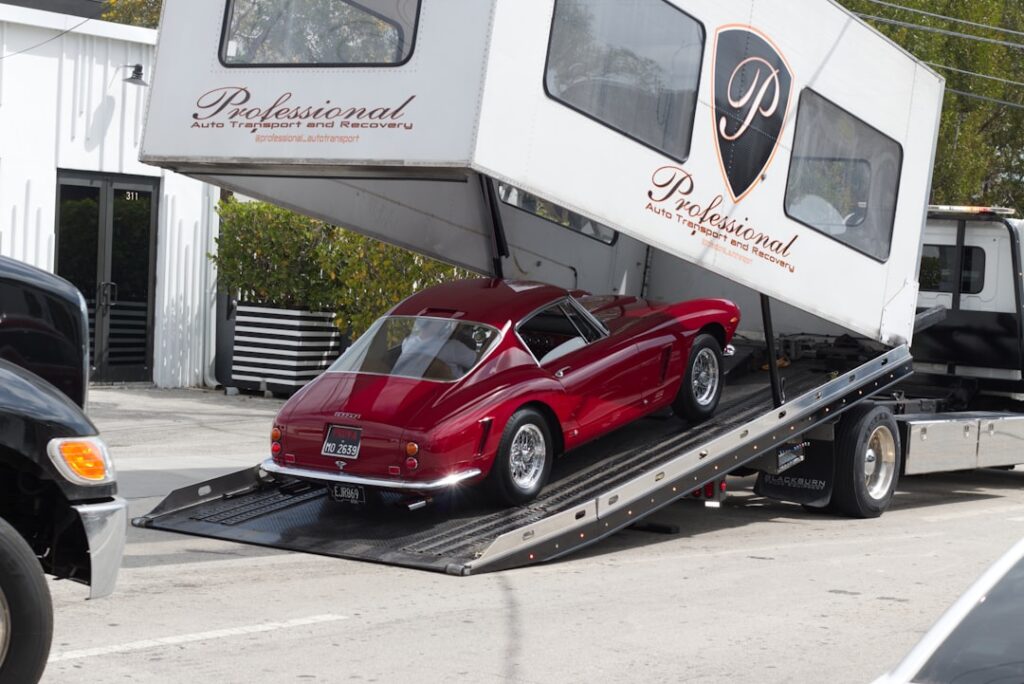
What Should Residents in Norwood, NJ Know Before Vehicle Shipping?
Preparing a car for transport needs careful planning—especially for those living in Norwood, NJ, where seasonal weather and suburban living can impact the process. Residents should focus on security, documentation, and the vehicle’s physical state to ensure an efficient, damage-free shipment.
How Can Weather and Local Conditions Affect Your Car Shipping Prep?
The area’s winters bring salt, snow, and freezing temps, which can introduce challenges not faced in milder regions. It's wise to:
- Wash your car thoroughly—even in colder months—to document its pre-shipping condition.
- Apply wax if shipping in winter, offering an extra layer of protection from salt and road debris.
- Top off antifreeze and check the battery, as local cold snaps can affect both.
Spring and fall involve pollen and rain. Windshield wipers, defrost systems, and weather seals should be checked, ensuring leaks or visibility issues don’t surprise you once the car arrives at its destination.
What Documentation Is Needed?
Proving vehicle ownership and condition is vital. Before the carrier arrives:
- Gather registration, insurance, and photo ID matching the name on shipping documents.
- Take clear, time-stamped photos of your vehicle from every angle, with close-ups of any scratches, dings, or custom features.
- Remove toll tags and local access passes to prevent extra fees or accidental charges during transport.
Norwood residents often use commuter lots or residential streets, so understanding overnight parking rules if your pickup occurs over several hours or days ensures nobody gets ticketed or towed locally.
How Should a Car Be Cleaned and Emptied Prior to Shipping?
A clean car reveals any existing scrapes and helps both you and the carrier note its true condition. Remove or protect:
- All personal belongings, including garage door openers, sunglasses, charging cables, and valuables—even in glove boxes or trunks. Insurance rarely covers these during transit.
- EZ-Passes, parking permits, and local club stickers.
- Loose items from the interior and trunk. Items can shift during transit, causing interior or window damage.
Vacuum the interior to check seat tracks and floor mats for hidden items.
Are There Mechanical Steps to Take Before Shipping?
No mechanical issues are required for a vehicle to be shipped, but a well-functioning car eases pickup and delivery. Specifically:
- Check tire pressure; over- or under-inflated tires may suffer damage or offer less grip during loading and unloading.
- Ensure the battery is charged.
- Note leaks and fix any severe drips. Leaking fluids can lead to delays or cause damage to your vehicle or others.
- Leave about one-quarter tank of gas—just enough for loading, unloading, or driving off the transport, but not so much as to increase weight or risk.
Locals sometimes overlook washer fluid and oil checks, but these quick tasks can make a difference if your car is delayed on a transport truck for a few days.
Is Disabling Alarms and Custom Electronics Necessary?
Alarms triggering in a quiet neighborhood can be a nuisance for you and your neighbors. Car alarms and custom electronics should be:
- Disabled before transport.
- Any electronic accessories, such as custom stereos and DVD players, removed if possible.
For residents with remote starters, notify the shipper if your car can be started without a key, so it’s not accidentally activated on the transporter.
What About Exterior Features and Loose Parts?
Suburban vehicles often have removable racks for bikes, skis, or luggage. These should be taken off or secured. Other steps include:

- Fold in side mirrors and retract the antenna if possible.
- Check that removable spoilers, covers, or custom license plate frames are either secured or stored in the cabin.
- Tape down any non-permanent emblems to avoid loss.
Seasonal differences should be considered—ice and snow can make roof racks harder to remove, so plan accordingly.
Is It Safe to Leave Registration or Insurance Cards Inside?
While your car must be properly documented, keeping original registration or insurance cards inside the vehicle is risky. If your paperwork needs to stay with the car, only leave copies, and store them somewhere less visible.
In the rare case local law enforcement needs to check your car while it’s awaiting pickup or delivery on a public street, digital or copy documentation is usually sufficient and reduces the risk of loss or identity theft.
What to Expect on Pickup Day
A smooth transport often depends on the pickup situation. In local neighborhoods,:
- Make sure your car is parked on a clear, accessible street or driveway, free of snowbanks or low tree branches.
- Ensure no other vehicles or trash bins block access.
- Exchange contact information with the driver and verify the vehicle condition report before your car leaves.
- Walk around the vehicle together once more and sign the inspection form, keeping a copy.
Local weather or school schedules can affect traffic on smaller roads, so build in a time cushion for the pickup window.
Common Missteps Residents Make
A few of the mistakes seen locally include:
- Leaving custom plates, decals, or cherished bumper stickers unprotected.
- Assuming a neighborhood street is easily accessible for large carriers—sometimes, alternative meeting points such as community lots are safer for both car and transport truck.
- Forgetting to double-check for items in storage compartments (first-aid kits and emergency tools are among the most forgotten).
After Delivery: What Should Be Checked?
Upon delivery, examine the car in daylight if possible. Compare your photos with the car’s current state, look for dings, and run through the same checklist as before shipping. Report any irregularities to the transporter before accepting final paperwork.