

 See My Latest Article on HelloNation
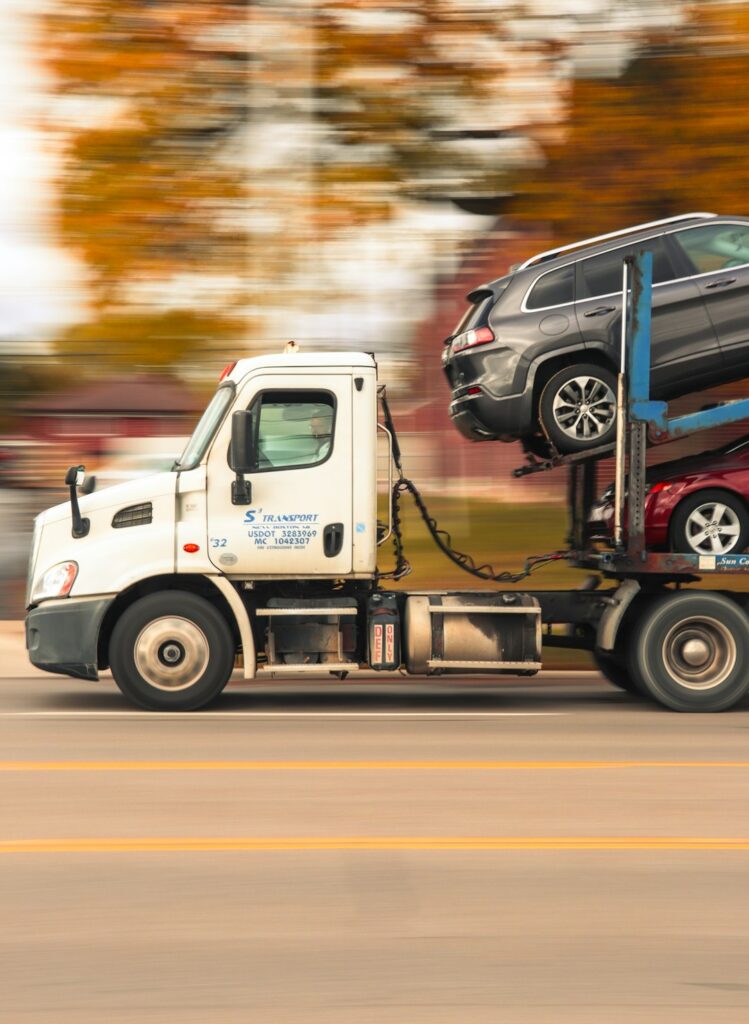
Can a Non-Running Vehicle Be Shipped From Norwood, NJ?
Yes, it is possible to ship a vehicle that does not run, even for local residents and households in Norwood, NJ. Non-operational vehicles are shipped frequently, especially when they have mechanical issues, cannot start, or have been damaged. The process looks different compared to transporting a drivable vehicle and requires specific arrangements with professional carriers.
Understanding the options and steps available helps local vehicle owners prepare for the logistics, costs, and timing involved. Local climate, driveway layouts, and narrow residential roads can also impact how non-running cars are picked up and delivered.
What Does “Non-Running” Mean for Shipping?
In shipping, “non-running” refers to any vehicle that cannot move under its own power. This might include cars that:
- Won’t start due to engine or battery failure
- Have significant mechanical or transmission damage
- Were involved in an accident and are not drivable
- Lack functioning brakes or steering
Sometimes, a car may technically start but cannot be safely loaded or unloaded without specialized equipment. Transporters typically ask for details about the vehicle’s condition to determine what’s needed for safe handling.
How Are Non-Running Vehicles Loaded and Unloaded?
Non-running vehicles almost always require special equipment to move them onto and off of transport trucks. Standard open carriers that pick up most vehicles around the city often use built-in winches or ramps. If the car does not roll or steer, things become more complicated.
Here are some common carrier options and tools for loading a non-operational car:
- Winch: A cable and motor system that pulls the car onto the trailer, used if the vehicle rolls but won't drive.
- Forklift or liftgate: In rare cases where the vehicle can’t roll at all, heavy equipment or industrial liftgates may be necessary.
- Flatbed tow trucks: Useful for short distances, especially if space is tight or road access is limited because of suburban driveways or narrow local streets common in Norwood.
Shippers need to make sure the vehicle is accessible for this equipment—parked on level ground and clear of obstructions such as overhanging trees, snow piles, or tight garage entrances.
Are There Extra Costs or Delays for Shipping Non-Running Cars?
Shipping a vehicle that does not run usually costs more than shipping a drivable car. This reflects the additional time, equipment, and sometimes staff required to load and unload the vehicle.
Specific factors that impact price and timing in the area include:
- Extra labor needed for loading and unloading
- Type of trailer or carrier that can accommodate non-running vehicles
- Residential accessibility, especially in neighborhoods with steep driveways or limited parking
- Seasonal weather conditions, such as ice or snow, which may slow down scheduling in winter months
It is normal for non-running vehicle shipments to require a bit more coordination and possibly a longer pickup window. Communicating the vehicle's exact condition up front is the best way to avoid unexpected delays or fees.

What Should Norwood Car Owners Do To Prepare?
To streamline the process and avoid complications, local households can follow several practical steps before the shipment day:
- Make sure the car is in an accessible location and not blocked in by other vehicles.
- Remove any loose items or personal belongings from the interior.
- Inform the shipper about any additional mechanical issues, such as locked brakes or broken axles.
- If possible, ensure the tires are inflated (this helps the car roll more easily, even if it won’t run).
- Gather the keys and any required documents—some carriers need a copy for safe loading, even if the vehicle does not operate.
Local weather can also play a role. In colder months, ice or snow may further complicate driveway access, so ensure the path is clear and safe for both the movers and their equipment.
Do Shipping Regulations Differ for Non-Running Cars?
There are no specific legal barriers to shipping a non-operational vehicle in the city. However, local parking rules or community restrictions about storing unused vehicles on the street may affect where the car can wait before pickup. Property owners and residents should check with their local municipality or building management to confirm any parking limitations or restrictions for extended stays.
It’s also worth noting that vehicle registration, insurance, or ownership status does not typically impact the shipping process, but having clear documentation makes the process go more smoothly.
Common Misconceptions
Some local residents assume that only regular tow trucks can move a non-running car or that shipping is impossible without fixing the car first. In reality, specialized transporters handle these situations routinely. Others may underestimate the importance of open communication about the car’s actual condition. Not mentioning all issues in advance can result in extra charges or even failed pickup attempts.
Practical Example: Typical Experience for an Area Resident
Consider a local example: a family in the city inherits a project car that hasn't run in years. The car is parked in a private driveway with flat tires and a dead battery. When arranging for shipping, they clarify that the steering works but the car won't start or roll. The transporter schedules a pickup using a winch and plans for a labor-intensive load, estimating a slightly higher fee and a flexible pickup window due to equipment availability.
By providing accurate details and clearing space around their driveway, the family ensures a successful, straightforward experience—and the car gets to its destination safely and securely.