

 See My Latest Article on HelloNation
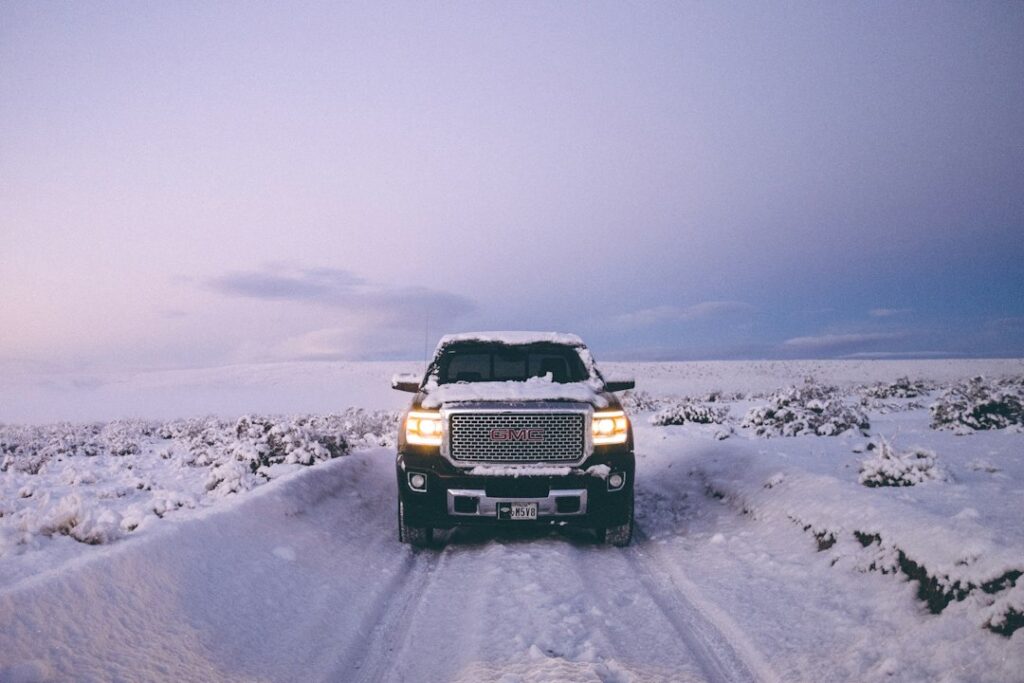
Winter vehicle shipping requires more planning than summer transport because snow, ice, road salt, shorter daylight, and changing road conditions can affect pickup, loading, transit, and delivery. For residents of Norwood, NJ, the safest approach is to prepare the vehicle carefully, allow extra scheduling flexibility, and document its condition before it leaves.
Is winter a safe time to ship a car?
Yes. Cars are routinely transported during winter, but weather can create delays and additional handling concerns. Snow and ice do not automatically make shipping unsafe, although severe conditions may temporarily stop or reroute transport operations.
Winter risks generally involve:
- Slippery loading areas
- Reduced visibility
- Snow or ice covering vehicle damage during inspection
- Frozen doors, locks, brakes, or parking mechanisms
- Delays caused by road closures or hazardous conditions
- Road salt and slush accumulating on the vehicle during transit
A winter shipment may take longer than expected if a storm develops along the route. A few extra days of flexibility can reduce pressure and make it easier to respond to changing conditions.
What should be done before the vehicle is picked up?
The vehicle should be clean enough for a clear inspection, even if it will become dirty during transit. A basic exterior wash helps reveal scratches, dents, paint damage, cracked lights, and windshield chips.
Photograph the vehicle shortly before pickup. Take clear pictures of:
- Each side of the vehicle
- The roof, hood, and trunk
- Wheels and tires
- Windshield and windows
- Existing scratches, dents, or paint chips
- The interior, dashboard, and fuel level
Include the date in the photo records when possible. Written condition reports are useful, but photographs provide additional detail if the vehicle arrives covered in salt or road spray.
Remove snow and ice from the vehicle before the inspection. Thick buildup can hide damage and may fall during loading. Clearing the roof, windows, mirrors, lights, and license plates also improves visibility and safety.
Should the car be prepared differently for freezing weather?
Yes. Winter preparation should focus on fluids, battery power, tires, and moving parts.
Before transport:
- Keep the fuel level low but sufficient for loading, unloading, and repositioning.
- Check that the battery is securely mounted and has enough charge.
- Inflate tires to the manufacturer’s recommended pressure.
- Make sure the parking brake can be released.
- Verify that the steering wheel can turn and the vehicle can roll.
- Replace or repair damaged windshield wipers if the car may be driven in winter conditions before or after shipping.
- Remove ice from door seams, handles, mirrors, and the trunk or hatch.
A nearly empty fuel tank is generally preferred because it reduces weight and limits hazards. The exact fuel requirement may vary according to the transport arrangement, so the instructions provided for the shipment should be followed.
Electric and hybrid vehicles need special attention. Cold temperatures can reduce battery range, and a low battery may make loading or unloading more difficult. The vehicle should arrive with enough charge for short movements, while unnecessary charging cables and personal items should be removed unless specifically required.
What personal items can remain inside?
Personal belongings should generally be removed from the passenger compartment and trunk. Loose items can shift, break, or damage the interior during transport. They may also add weight or create problems during inspection.
Items that deserve special attention in winter include:
- Ice scrapers and snow brushes
- Emergency flares or batteries
- Bottles containing liquid that could freeze
- Electronics
- Medication
- Important documents
- Valuables
- Heavy tools or equipment

Do not leave a snow shovel, salt container, or other heavy winter gear inside unless the transport instructions specifically allow it. If the car is being shipped with a roof box, bicycle rack, or other exterior accessory, confirm that it is secure and permitted before pickup.
How can snow and road salt affect the vehicle?
Salt and moisture can collect on the underside, wheels, brake components, and lower body panels during winter travel. A single trip does not normally cause major corrosion, but repeated exposure can worsen existing rust, especially around wheel arches, brake lines, exhaust components, and underbody seams.
A practical post-delivery routine includes:
1. Photographing the vehicle before removing any visible transport residue.
2. Checking the exterior against the pickup condition report.
3. Looking beneath the vehicle for packed snow, salt, or loose coverings.
4. Testing lights, mirrors, windows, locks, and windshield wipers.
5. Washing the exterior when conditions allow.
6. Rinsing the undercarriage if salt or brine is visible.
Avoid washing the vehicle immediately if temperatures are low enough for water to freeze around door seals, locks, or brakes. If a wash is necessary, the vehicle should be dried thoroughly, especially around doors and trunk openings.
Can winter weather delay pickup or delivery?
Yes. A shipment can be delayed by snow, freezing rain, high winds, poor visibility, road closures, or unsafe access to a residential street. Local streets may be more difficult for a large transport vehicle to use after plowing, particularly where parked cars, snowbanks, narrow lanes, or steep driveways limit maneuvering space.
Before pickup or delivery, check whether:
- The street has been cleared of snow and ice.
- The driveway or loading area is accessible.
- Snowbanks leave enough room for a large vehicle to approach.
- Nearby parked vehicles could block access.
- The vehicle can be reached without crossing an untreated or dangerously slippery surface.
If the original location becomes inaccessible, a safer nearby meeting point may be necessary. Any change should be discussed before the transport vehicle arrives rather than decided during a difficult maneuver.
Does enclosed transport eliminate winter concerns?
No. Enclosed transport can reduce direct exposure to snow, road spray, and salt, but it does not eliminate every winter issue. The vehicle still needs to be loaded, unloaded, inspected, and moved across outdoor surfaces. Freezing temperatures can still affect batteries, tire pressure, door seals, and mechanical components.
Open transport also does not mean the vehicle is unprotected in every sense. Vehicles are secured to a transport trailer and travel with other cars, but they remain exposed to outdoor weather and road conditions. The choice between transport methods depends on the vehicle’s value, condition, sensitivity to weather, and the owner’s tolerance for exposure.
What should happen when the car arrives?
Inspect the vehicle before accepting delivery if possible. Compare it with the original photographs and condition report. Look for new dents, scratches, broken glass, damaged mirrors, loose trim, tire problems, and missing accessories.
Winter grime can make small damage difficult to see. If the vehicle is heavily covered in salt or slush, request enough cleaning or inspection access to evaluate the exterior. Document any concern immediately with photographs and written notes, following the shipment’s claim or delivery procedures.
After delivery, allow the vehicle to warm gradually if it has been exposed to very low temperatures. Check the battery, tire pressure, fluid levels, wipers, lights, and brakes before normal driving. Brakes may feel unusual for the first few applications if moisture or surface rust formed during transport, but persistent noise, vibration, or reduced stopping power should be addressed before continued use.
What is the most practical winter shipping plan?
For households in Norwood, the most reliable plan is to schedule with weather flexibility, prepare the car several days in advance, photograph its condition, remove personal property, and keep the pickup and delivery areas clear. A winter shipment does not require unusual measures, but it does reward careful preparation and realistic timing.