

 See My Latest Article on HelloNation
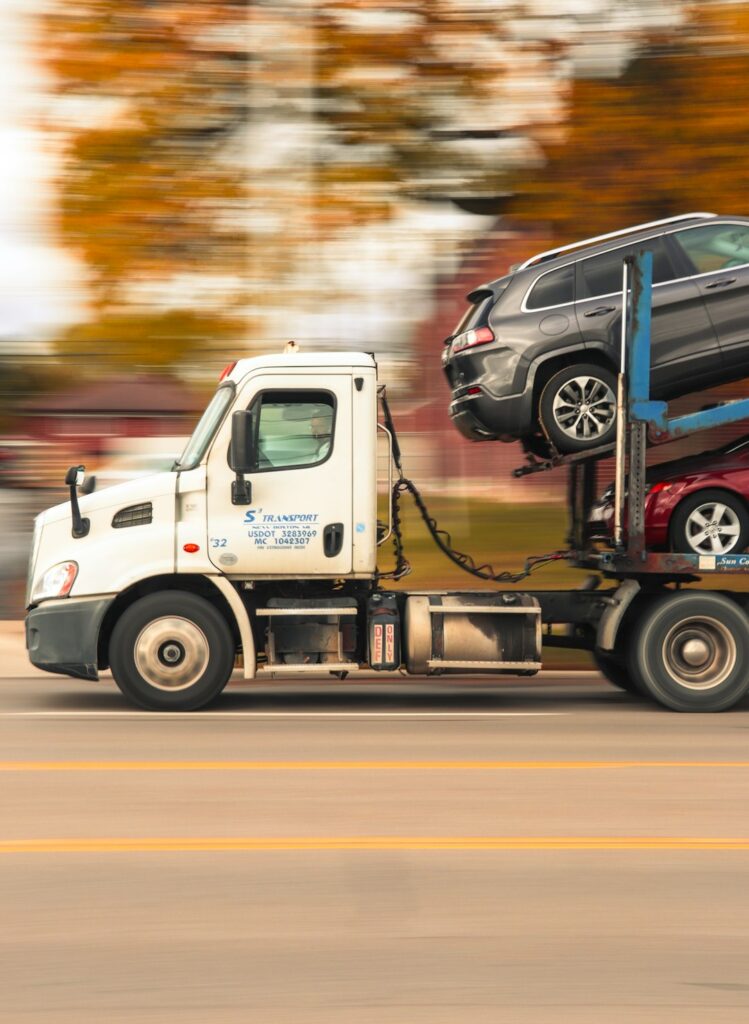
Moving to a new state often involves more than loading boxes and changing an address. A vehicle may need to be transported separately, driven as part of the move, or prepared for new registration and insurance requirements. For residents of Norwood, NJ, the safest approach is to plan the vehicle portion early, especially when a household is moving during winter, around school schedules, or from a densely settled neighborhood where loading space may be limited.
Should you drive the vehicle or arrange transport?
The right choice depends on distance, timing, vehicle condition, and how many people are available to drive. Driving may be practical for a short relocation, but transporting the vehicle can reduce mileage, avoid adding a long road trip to an already demanding move, and allow the household to travel by another method.
Consider these questions:
- Will the move require several days of driving?
- Is the vehicle leased, financed, collectible, modified, or especially valuable?
- Will winter weather, heavy rain, or mountain routes make the trip more difficult?
- Does the vehicle have mechanical problems that make a long drive unwise?
- Will the driver need to arrive quickly for work, school, or a housing closing?
A vehicle that is safe for normal local trips may still need preparation before a long interstate journey. Check tires, battery condition, fluid levels, brakes, lights, and windshield visibility before deciding to drive.
How far in advance should the move be planned?
Begin planning several weeks before the desired pickup date. Transport schedules can become less predictable during summer moving season, around major holidays, and during periods of severe winter weather.
Before making arrangements, confirm:
- The vehicle’s pickup and delivery addresses
- Whether both locations allow a large transport vehicle to stop safely
- Whether the vehicle can be delivered to a driveway, private lot, or alternate location
- The preferred pickup and delivery time windows
- Whether the vehicle will be available when the driver arrives
Norwood has a mix of established residential streets, compact driveways, and homes where curb access can vary. A narrow street, parked vehicles, low branches, steep driveway, or local restriction may prevent direct loading. If access is uncertain, identify a safe nearby meeting point that does not block traffic or interfere with emergency access.
What should be removed from the vehicle?
Most personal belongings should be removed before transportation. Items left inside can shift, break, become lost, or add weight that is not covered under the transport arrangement.
Remove or secure:
- Luggage, loose tools, electronics, documents, and valuables
- Garage-door remotes and personal access devices
- Child seats and removable accessories
- Toll transponders when they are not needed
- Custom spoilers, roof attachments, or other parts that could be damaged
- Automatic parking or security devices that may activate during loading
The vehicle should generally contain only the equipment required for safe operation, such as a spare tire, jack, and emergency equipment. Ask for the specific contents permitted under the transport agreement rather than assuming ordinary household items are allowed.
What paperwork is needed?
Keep the title, registration, insurance information, identification, and any lien or lease documents accessible. Do not place original paperwork inside the vehicle if the car will be transported separately.
A financed or leased vehicle may require additional coordination because the lender or leasing company may remain listed on the title. Some agreements also require advance notice before the vehicle is moved across state lines. Confirm those conditions before pickup.
Insurance coverage should be reviewed before the vehicle leaves. Ask the insurer whether the existing policy applies during loading, transport, storage, and delivery, and whether a deductible applies if damage occurs. Transport-related coverage and ordinary auto insurance do not always work the same way.
How should the vehicle be documented before pickup?
Create a written condition record before the vehicle is handed over. Wash the exterior if weather and road conditions permit, then take clear photographs of every side, the roof, wheels, windows, interior, and any existing scratches or dents.
Record:
- The date and approximate time
- The vehicle identification number
- Existing damage, including small chips and scrapes
- Mileage and fuel level
- Whether the vehicle starts and rolls normally
- Any warning lights or mechanical issues
The condition report should be reviewed at pickup and again at delivery. Compare the vehicle carefully before signing the delivery paperwork. If new damage is visible, describe it in writing and retain copies of the documents and photographs. A signature stating that the vehicle was received in good condition can make later documentation more difficult.

What happens if the vehicle cannot run?
A non-running vehicle usually requires different equipment and advance notice. The transport vehicle may need a winch, specialized loading equipment, or additional space. A vehicle with a dead battery, locked wheels, damaged tires, or steering problems should not be represented as operational.
Provide accurate information about the vehicle’s condition, size, modifications, and ground clearance. Misunderstandings at pickup can cause delays, access problems, or a need to change the loading plan.
What should be expected during delivery?
Pickup and delivery dates are often time windows rather than exact appointments. Traffic, weather, mechanical problems, road closures, and changes in the transport route can affect timing.
Keep the following available:
- A working phone number
- A person authorized to release or receive the vehicle
- Safe access to the delivery location
- A copy of the condition report
- A way to inspect the vehicle in daylight when possible
If delivery occurs after dark or during heavy rain, visibility may be poor. A careful inspection can still be completed, but additional photographs may be useful once conditions improve. Avoid leaving the vehicle unattended in a location where it creates a safety hazard or blocks a roadway.
How does registration change after the move?
Transporting a vehicle does not automatically update its registration, title, insurance, or inspection obligations. The owner must follow the rules of the new state and should check its motor-vehicle agency for deadlines.
For a household moving into New Jersey, the New Jersey Motor Vehicle Commission states that an out-of-state license and vehicle title or registration generally must be transferred within 60 days of the move, or before the existing documents expire, whichever occurs first. The agency also lists documents commonly needed for title and registration, including identification, the original title, proof of insurance, and completed applications. ([nj.gov](https://www.nj.gov/mvc/drivertopics/movetonj.htm?utm_source=openai))
If the vehicle has a lien, the title may need to be obtained directly from the lienholder or processed through the motor-vehicle agency. Leased vehicles can involve additional steps because the leasing company may retain title. ([nj.gov](https://www.nj.gov/mvc/drivertopics/movetonj.htm?utm_source=openai))
Insurance should be updated to reflect the new garaging address. The address where a vehicle is regularly kept can affect policy information, premiums, and coverage decisions. New Jersey also requires vehicles operated in the state to maintain required insurance and registration. ([nj.gov](https://www.nj.gov/mvc/license/suspension.htm?utm_source=openai))
What are common mistakes to avoid?
The most frequent problems are preventable:
- Waiting until the last few days to arrange transportation
- Giving an address that a large vehicle cannot safely reach
- Leaving valuables or loose property inside the car
- Failing to disclose that the vehicle does not run
- Assuming the transport date is guaranteed to the hour
- Forgetting to photograph existing damage
- Letting registration or insurance expire during the move
- Packing the title, keys, or delivery documents in an inaccessible box
A written checklist helps separate transportation tasks from the broader household move. For local residents dealing with snow, freezing temperatures, or limited curb space, checking access and weather conditions several days before pickup can prevent avoidable delays.