

 See My Latest Article on HelloNation
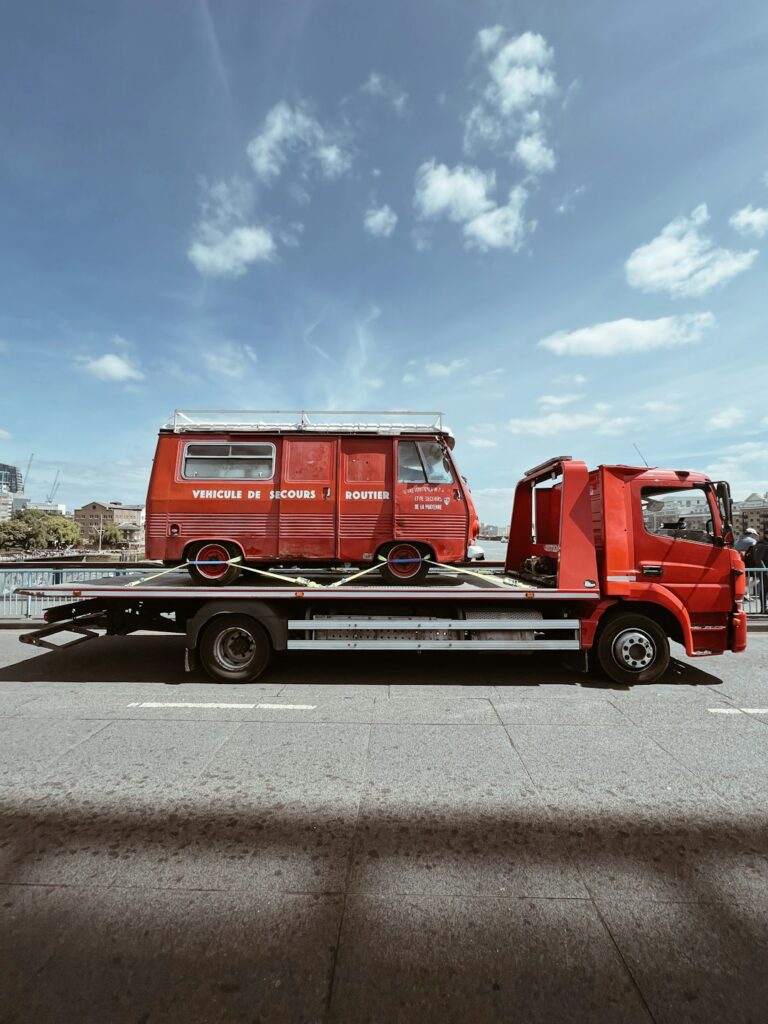
What Drives Vehicle Shipping Costs for Local Households?
Vehicle shipping prices are shaped by several variables, not just a flat distance fee. Residents in Norwood, NJ often ask why costs change across seasons or why the same vehicle can receive different quotes. Understanding the range of influences will help area households make more informed decisions and avoid surprises in the budgeting process.
Does Distance Make the Most Difference?
Distance is usually the primary factor in shipping expenses. Longer shipments require more fuel, driver time, and logistical planning, so the cost rises as the miles stack up. However, price is not always directly proportional to distance:
- Short hauls—such as moving a car across state lines—may carry a higher rate per mile due to setup fees and minimum charges.
- Long interstate trips can benefit from economies of scale, lowering the per-mile rate as the total distance increases.
How Do Timing and Seasonal Trends Affect Rates?
Transport demand fluctuates throughout the year, and Norwood sees this pattern most clearly during seasonal moves. Rates are generally higher during:
- Late spring to early fall, when families relocate or students return to college.
- The winter holidays, when transport capacity tightens.
Conversely, shipping during late fall or deep winter can sometimes lower prices, though weather delays are more common. During northern winters, icy roads and unpredictable storms may slow travel, potentially raising costs due to extra safety precautions.
Does the Type of Vehicle Matter?
Yes—vehicle size, weight, and modifications all come into play. Larger trucks and SUVs take up more trailer space and weigh more, adding to fuel and permitting costs. Modified vehicles (lifted suspensions, roof racks, or oversized tires) may require specialized equipment or additional handling. This directly impacts quotes:
- Compact sedans and coupes often cost the least to ship.
- Heavy or unusually shaped vehicles typically add a premium, especially if they exceed standard carrier limits.
How Does Transport Method Change the Equation?
Most vehicle transports use either open or enclosed carriers. Open transport is the standard option and usually costs less, while enclosed transport—protecting vehicles from weather and road debris—commands a higher rate. Norwood residents with classic, luxury, or collectible vehicles often consider enclosed shipping, particularly in harsh weather months.
Open carrier is more available and faster to schedule, while enclosed carriers are in higher demand for specialized shipments and may have longer wait times.

Why Does Pickup and Drop-Off Location Matter?
Remote or difficult-to-access pickup or delivery points may increase the cost due to the extra effort or route deviations required. Urban areas with ample highway access are typically cheaper. In Norwood, most residential neighborhoods are accessible for large transport trucks, but very narrow streets or tightly regulated parking zones can limit carrier access.
For more rural outskirts, expect potential surcharges for the carrier to reach your driveway, or be prepared for a meeting point at a wider road or large parking lot.
What About the Vehicle’s Condition?
Operational vehicles (those that start and drive) are cheaper to load and unload, requiring less labor and no extra equipment. Non-running vehicles mean more complex handling—winches or forklifts may be necessary—leading to additional fees.
It’s a common misconception that all vehicles cost the same to move; sharing whether a car is in working order helps avoid surprise surcharges on pickup day.
Do Insurance and Extra Services Influence the Price?
Basic liability insurance is usually included in a standard shipping quote, but households with valuable vehicles may want to inquire about additional coverage. Adding insurance or requesting expedited shipping, top-level placement on a carrier, or guaranteed delivery dates each increase total costs.
For Norwood families, the need for extras—such as quicker delivery to fit a moving timeline—can lead to rapidly rising quotes compared to standard service.
Are Passenger or Personal Items Allowed?
Most carriers prohibit loading a vehicle with household or personal goods, both for legality and weight limitations. Attempting to ship a car packed with boxes can lead to rejection on pickup or an unexpected fee to remove the items. Regulations are especially strict for carriers crossing state lines through New Jersey and neighboring states.
What Are Common Misconceptions About Pricing?
Many new shippers believe cost is set solely by how far the car travels. In reality, a variety of details—from the vehicle’s dimensions to time of year—play equally significant roles. Norwood residents may also assume that vehicle shipping is always less expensive than driving the car themselves, but fuel, wear, tolls, and lodging sometimes make professional shipping a cost-effective option for long distances.
Understanding these details ensures no unwelcome surprises and helps local households budget confidently for their specific needs.