

 See My Latest Article on HelloNation
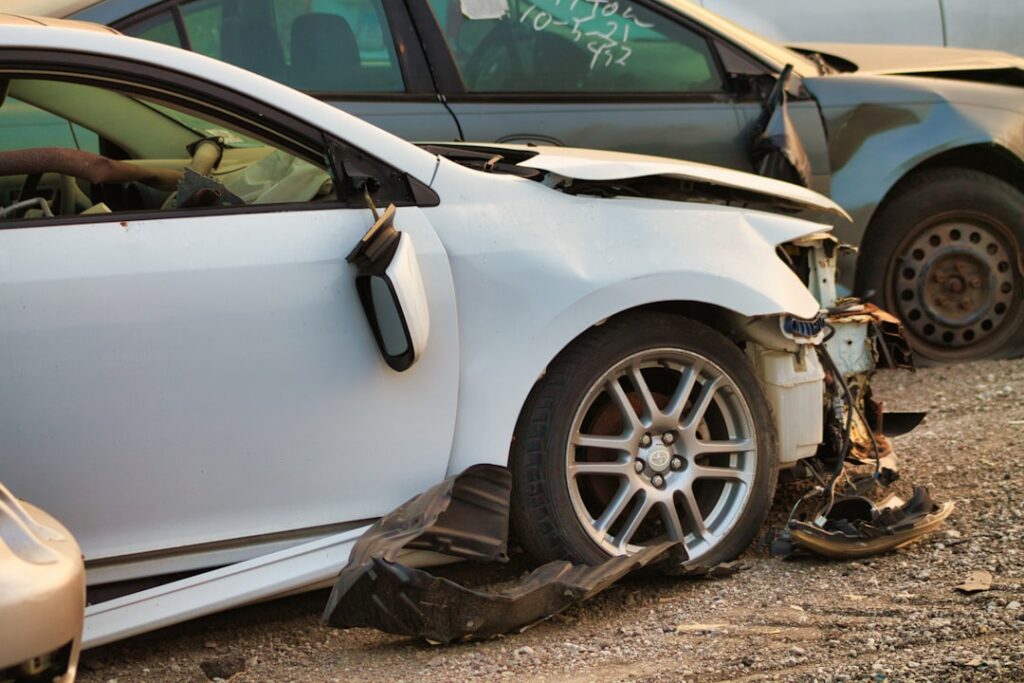
What Kinds of Damage Can Happen During Vehicle Shipping?
Small scratches, dents, cracked windshields, and even more significant body damage can sometimes occur when a car is transported between locations. These incidents are rare, but local households shipping vehicles—whether while moving in or out of Norwood, NJ or sending a car to family—often wonder what might go wrong. Most damage happens while loading or unloading the vehicle, during severe weather, or due to shifting inside the carrier.
Typical scenarios include:
- Paint scratches from road debris.
- Minor dents from transporting cars closely together.
- Windshield chips, often caused by sudden temperature changes or stray gravel.
- More serious exterior damage if a tie-down fails or a driver is negligent.
Seasonal weather patterns, like Norwood’s icy winters, can increase risks if vehicles are exposed to sleet or freezing rain during transit, making it useful to inspect cars closely for subtle cracks in paint or glass after arrival.
How Should You Inspect Your Car After Shipping?
Inspecting your car before signing off at delivery is crucial. Begin by walking around the vehicle in daylight or under bright lighting. Look for:
- Fresh scratches, dents, or chipped paint not noted before
- New cracks in the windshield or windows
- Signs of undercarriage impacts
- Alignment issues or problems opening doors and trunk
Check the interior as well if you shipped the car with personal items inside. Compare findings to the “Bill of Lading” or original inspection report provided at pickup.
Rushing this process—particularly if a delivery occurs after sunset or during poor weather—can result in missed issues that are more difficult to prove later. In Norwood’s colder months, consider taking off gloves to run a hand over surfaces that might not visibly show fine scratches.
What Should You Do Immediately If Damage Is Found?
If any new damage is spotted, do not rush to sign the delivery receipt. Instead:
1. Document everything with photos from multiple angles, including close-ups and wider shots.
2. Make detailed notes about the damage on the Bill of Lading or delivery paperwork.
3. Politely inform the transport driver and ask them to acknowledge the issues in writing.
4. Retain copies of all documents and obtain the driver’s full name and contact details.
Do not attempt to repair the damage before an official inspection by the shipping company or their insurer. For Norwood residents, documenting salt or de-icing chemical residue during winter months can clarify if weather exposure played a role, which matters for some coverage rules.
Who Pays for Repairs When a Car Is Damaged in Transit?
Responsibility for repair costs depends on the source of the damage and the terms of transport coverage. Most licensed carriers are required by law to carry cargo insurance designed to cover physical damage during shipment. However, this insurance typically excludes:
- Personal items packed inside the car
- Preexisting damage
- Certain types of “Acts of God” such as hailstorms or flash flooding
After reporting damage, the shipping company may send an adjuster to inspect the car and verify the claim. In most straightforward cases—where thorough documents are provided—insurance will cover repairs for new, transporter-caused damage. If there is a dispute, residents can file complaints with state or federal transport authorities, but most claims are settled directly.
In some cases, personal auto insurance may cover gaps or denied claims. Reviewing both policies before arranging transport can save headaches for local families.
What Are Common Challenges in the Claims Process?
Some residents face hurdles when a claim is not processed smoothly. Delays are common if:

- Damage is not properly documented on delivery paperwork.
- The carrier claims the damage was preexisting or outside policy coverage.
- Small cracks or scratches are missed during the initial inspection but discovered later.
To avoid these issues, always keep clear time-stamped photos from before and after shipping—and make sure dates match up with Bill of Lading entries. Local residents sometimes overlook the importance of a detailed inspection in busy moving periods, only to run into trouble arguing a claim days later.
How Can You Protect Yourself When Arranging Car Shipping in the City?
While no approach guarantees damage will never occur, careful preparation minimizes risk:
- Clean the car thoroughly before shipping so damage stands out more easily.
- Photograph the entire exterior and interior at pickup, preferably with a neighbor as a witness.
- Avoid placing valuable or fragile items inside the vehicle, as these are rarely covered.
- Read transport contracts to understand what insurance covers and the steps required to report damage.
For area households expecting harsh winter conditions, ask in advance how the vehicle will be protected against road salt, ice, or extreme temperature changes, as some claims related to these factors may be contested by insurance carriers.
What If the Damage Is Discovered After Delivery?
Noticing new damage after a shipper has left—especially if a car was delivered in the evening or in bad weather—makes claims more difficult but not always impossible. Residents should:
- Notify the carrier and insurer immediately, in writing.
- Provide dated photos and detailed descriptions of the issue.
- Be prepared for questions about when and where the damage likely occurred.
While prompt documentation remains the strongest tool, some shippers allow a short grace period for reporting newly discovered issues, which can help those who receive cars late or need a second inspection in better lighting.