

 See My Latest Article on HelloNation
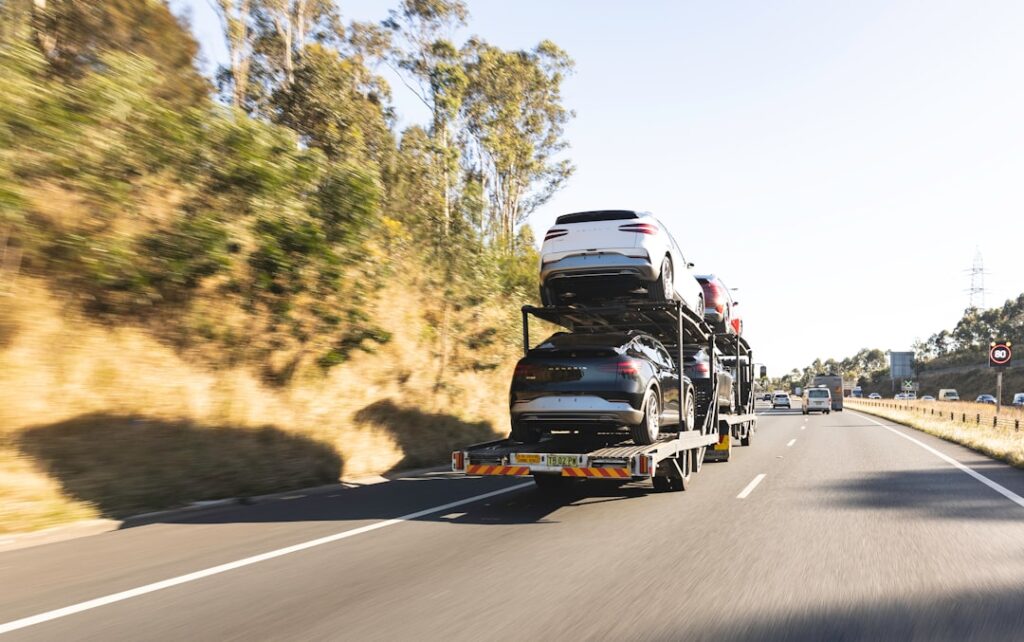
How Does Vehicle Shipping Generally Work?
Vehicle shipping is a process that allows residents to transport a car, truck, or other vehicle from one place to another using specialized carriers, often across state lines. For individuals living in Norwood, this service is frequently used during cross-country moves, seasonal relocations, college drop-offs, or after online vehicle purchases.
What Are the Main Steps Involved in Shipping a Vehicle?
Shipping a vehicle typically involves the following phases:
1. Research and Decision-Making
Residents begin by considering what type of shipping meets their needs—enclosed for high-value or classic cars, open carriers for standard vehicles, or expedited options for tight timelines.
2. Getting Quotes and Booking
Quotes can vary by distance, timing, size of the vehicle, and carrier type. After reviewing options, a reservation is made, sometimes requiring a deposit.
3. Vehicle Preparation
Before the pickup day, most shipping companies ask that vehicles be cleaned inside and out, valuables removed, and only about a quarter tank of gas left. Local households should also check for any winter weather issues (like salt or snow) that might affect pickup arrangements during colder months.
4. Pick-Up Day
An assigned carrier arrives to load the vehicle. The driver conducts a detailed inspection alongside the owner, noting current cosmetic condition on a Bill of Lading. This documentation is essential if damage claims need to be made later.
5. Transport and Tracking
Vehicles travel by truck, sometimes with tracking updates or direct communication available. Norwood’s location near major highways typically makes for straightforward routing, but weather or traffic in the region can affect timing.
6. Delivery and Final Inspection
At delivery, the vehicle is inspected again for any changes in condition. Area residents should review the vehicle carefully and compare it to the original inspection report before signing the final paperwork.
What Should Norwood Residents Know About Timing and Scheduling?
Most vehicle shipments from the city take place over several days to a week, depending on distance and route complexity. Around peak moving times—such as summer vacations, college semesters, or prior to winter holidays—delays may occur due to higher demand and limited carrier availability. Residents often ask if same-day shipping is possible; in most cases, this is not feasible and advance planning is recommended.
Open vs. Enclosed Carriers: Which Is Right for Local Conditions?
Open carriers are suitable for most vehicles and are seen on regional highways throughout Bergen County. They leave vehicles exposed to the elements but cost less. Enclosed carriers offer extra protection against road debris and harsh weather; these are sometimes chosen for classic or luxury vehicles, particularly during snowy or stormy seasons when exposure risks increase.
Are There Local Rules or Seasonal Factors to Consider?
While the state does not restrict standard vehicle shipping, community-specific factors can affect logistics. For example:
- Norwood's residential areas may have narrow streets or limited parking, making curbside pickup challenging—sometimes vehicles are picked up or delivered at larger, accessible nearby lots.
- Winter weather can introduce ice or snow challenges; flexibility with pickup and delivery dates helps.
- Checking with local police or homeowners’ associations is wise if you expect oversized transport vehicles in restricted neighborhoods.
Do Residents Need to Prepare Documents for Shipping?
Yes. Most shipping arrangements require:
- Proof of ownership or authorization (such as registration or title)
- Identification for the person releasing/accepting the vehicle
- A signed Bill of Lading, used to document vehicle condition before and after shipping

Personal insurance and shipping carrier coverage both come into play; understanding what your policy covers, including deductibles and claim procedures, is key to peace of mind.
What Are Common Myths or Misunderstandings?
Several misconceptions can cause confusion:
- "My car will be picked up and delivered exactly on schedule." Traffic, weather, and other unavoidable factors can alter timing.
- "All damage is covered by the carrier." Coverage usually applies only to external damage, not personal items left inside. Always review your carrier’s insurance specifics.
- "Vehicle shipping is only for cross-country relocation." Local and regional shipping is also common, such as buying vehicles from out-of-area dealerships or sending a student’s car to college.
What Should Residents Look for in a Safe and Hassle-Free Experience?
To ensure smooth vehicle shipping, area households benefit by:
- Planning ahead, especially around local events or peak moving days
- Communicating with the shipping driver about the best local spot for loading or unloading
- Documenting the vehicle’s condition with time-stamped photos before pickup
- Reading all paperwork thoroughly to avoid surprises with fees or insurance
By understanding each step, local residents can confidently arrange safe vehicle shipments whether moving to a new home, purchasing a car from afar, or helping out a family member.